

Why Choose Us
15+ years of experience
Years of high attention to good quality products, more than 15 years of practical technique, canonical management.
Innovation
We focus on developing and create more perfect item as per customers' needs, and improve manufacture technique, product variety.
Solution
We help clients solved problems that different surfaces hard to sticked on the object, at the same time suggest suitable material according to different climate, sticked object, using environment.
Professional service
We will help customers get what they need and ensure production safety and stable quality. Please feel free to contact us.
A direct thermal printer prints by applying heat to the material. It does not use any ribbon, ink or toner, but it requires a special type of heat-sensitive material that blackens when heat is applied. Because the label material is heat sensitive, it fades and the label can become hard to read and scan over time.


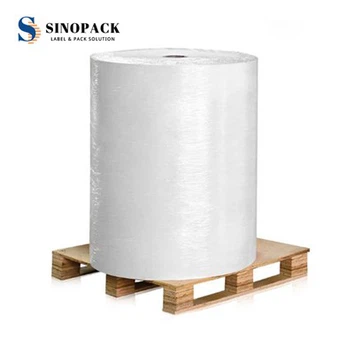
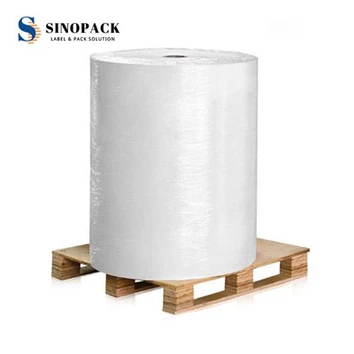
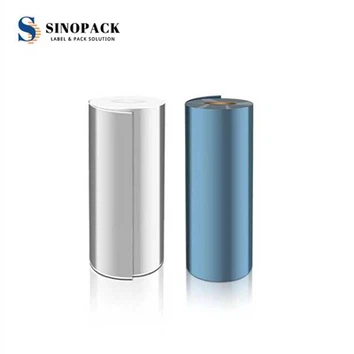


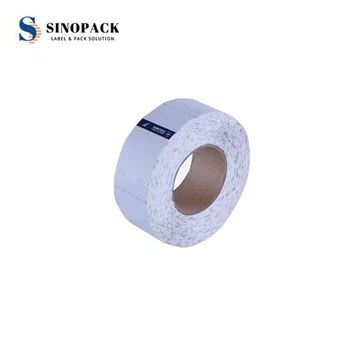
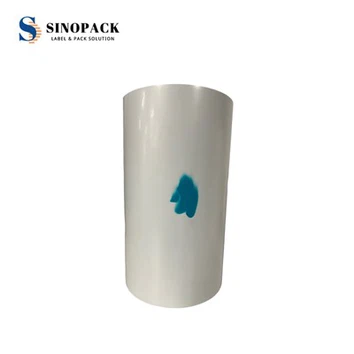
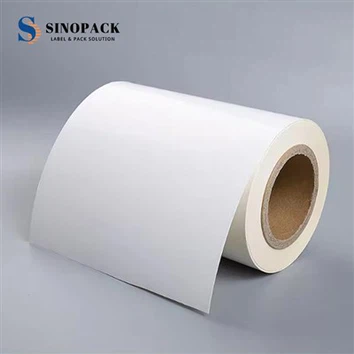

Speed: Thermal printers are known for their high printing speed. They can quickly produce prints, which is especially useful in situations where efficiency and productivity are crucial.
Quiet Operation: Thermal printers are generally quiet compared to other types of printers. This makes them suitable for quiet environments such as libraries, medical facilities, and retail settings.
Low Maintenance: Thermal printers have fewer moving parts, reducing the need for maintenance. They are less prone to mechanical failures, making them reliable for continuous operation.
High Print Quality: Thermal printers produce sharp, high-resolution prints. They are ideal for applications where print quality is essential, such as barcode labels and medical imaging.
Cost-Efficiency: While the initial cost of a thermal printer may be higher, the ongoing operating costs are lower. There's no need for ink, toner, or ribbons, which can result in significant savings over time.
Durability
Thermal printers are often built to be rugged and durable. They can withstand challenging environmental conditions, making them suitable for industrial and outdoor use.
Versatility
Thermal printers come in various types, including direct thermal and thermal transfer, allowing for a wide range of applications. They are used for printing labels, receipts, shipping documents, and more.
Compact Design
Thermal printers are often compact and space-saving, making them suitable for businesses with limited workspace.
Energy Efficiency
Thermal printers are generally energy-efficient, consuming less power compared to other types of printers, which can lead to cost savings and reduced environmental impact.
Chemical Resistance
Thermal prints are resistant to water, oils, and other chemicals, which makes them suitable for applications where prints may come into contact with various substances.
Longevity
Thermal prints have good resistance to fading and are more durable than some other types of prints, ensuring that the information remains legible over time.
There are two types of thermal printing methods: direct thermal printing and thermal transfer printing.
In the case of direct thermal printing, the heat from the printhead is applied directly to the thermal paper. This causes a chemical reaction in the special heat-sensitive layer of the laminate material, turning the paper black. It is worth being noted that modern thermal paper is much more resistant to environmental influences than before so that the colour stays fresh for several years.
Thermal transfer printing, on the other hand, uses colour foil, or thermal transfer foil, to get the print on the paper. The printhead is equipped with hundreds of tiny heating elements that can be computer-control activated. The foil runs between the printhead and paper and is melted by the printhead where the heating elements are activated. The plain surface of the foil achieves a fine and sharp print with a slight shine. The advantage of the thermal-transfer system is the longer shelf life of its prints compared to the direct-thermal prints.
The Power Of Thermal Printing Media
A Compact Printing Solution
One of the primary advantages of Thermal Printing Media is their compact size. Unlike bulky desktop printers, portable thermal printers are designed to be lightweight and easy to carry around. This makes them perfect for professionals who are constantly on the move or need to print documents while traveling. With their small form factor, these printers fit seamlessly into any work environment without taking up valuable space.
Ease of Use and Maintenance
Another major benefit of Thermal Printing Media is their ease of use. These printers come equipped with user-friendly interfaces and intuitive controls, making them accessible to anyone, even those without technical expertise. Moreover, they generally have simplified maintenance procedures, eliminating the hassle of dealing with complicated ink cartridges or toner replacements. Portable thermal printers are designed for convenience, allowing users to focus on their tasks without worrying about operational complexities.
Quick and Efficient Printing
When it comes to speed, Thermal Printing Media technology shines. Portable thermal printers can generate high-quality prints within seconds, significantly reducing waiting time. This is especially crucial in fast-paced industries such as retail or logistics, where quick access to printed documents is vital for smooth operations. The thermal printing process is swift and efficient, ensuring that professionals can meet deadlines and effectively manage their workflow.
Cost-Effective Solution
Cost is always a key consideration for businesses. Thermal Printing Media offer a cost-effective printing solution in several ways. Firstly, they eliminate the need for ink cartridges or toners, which can be quite expensive, especially in high-volume printing environments. Thermal printers utilize heat-sensitive paper, which is affordable and widely available. Additionally, their efficient printing process minimizes paper wastage, resulting in further cost savings. For businesses seeking to optimize their printing expenses, portable thermal printers are a smart investment.
Versatile Printing Options
Thermal Printing Media are incredibly versatile, catering to various printing needs. Whether you need to print receipts, labels, tickets, or invoices, these printers can handle it all. Some models even support wireless connectivity, enabling printing from smartphones and tablets. This versatility makes portable thermal printers suitable for a wide range of industries, including hospitality, healthcare, transportation, and many others.
Durable and Reliable Performance
Durability is a critical factor when choosing any type of equipment, and Thermal Printing Media excel in this area. Built with robust materials, these printers can withstand the rigors of daily use and have an extended lifespan compared to other printing solutions. They are designed to withstand harsh conditions, making them suitable for outdoor and industrial environments. The reliability of Thermal Printing Media ensures that businesses can count on their printing capabilities without interruption.
Environmentally Friendly Printing
As environmental concerns become increasingly important, businesses are actively seeking eco-friendly solutions. Thermal Printing Media offer a greener printing alternative. Since they don't require ink or toner cartridges, there is no toxic waste generated from these consumables. Moreover, thermal paper used in these printers is often recyclable, further reducing the environmental impact. By choosing Thermal Printing Media, businesses can contribute to sustainability efforts while enjoying efficient printing solutions.
Lifespan Key Considerations of Thermal Printing Media
Exposure to Heat
Your thermal paper should be high-quality and can withstand heat and extreme temperatures. You need to pick the thermal paper which is not heat-sensitive and does not get black when the temperature exceeds 150° F (66° C).
Keep Away from Moisture
You should use moisture-resistance media paper for better printing results and long-lasting life. You can have them from reliable thermal paper manufacturers and suppliers as they offer synthetic media, typically unaffected by climate conditions and moisture.

Thickness of Media
The thickness of the media also matters to make thermal printing long-lasting. If you choose sturdy and thicker media or thermal paper, the printing results would probably be the best, clear, and long-lasting.
Archiving Issues
The most important factor is to know how much your printing material and receipt papers are useful for your business. If these are useful for a short period, using expensive, high-quality media paper is not preferred. For that, direct thermal paper and printing are recommended.
How Thermal Printing Media Is Different From Regular Printing Paper
In addition to requiring specialized media, thermal printers may need different specialized supplies to print properly. If you don’t feed them the proper media types, the printers will either not print at all or break down quickly. For mission-critical printing, you need reliable printers. Here’s what you need to know about printing on thermal media.
The Types Of Thermal Printing Paper
Thermal printers require special media because the thermal printing mechanism prints images and text without ink. Thermal media is different from regular paper in that the media is coated with a mixture of dyes and chemicals. The printhead in a thermal printer heats areas of the paper, making the desired words and images appear. When heated, the dye reacts to the chemicals taking on a color. The colors are usually limited to black but occasionally blue or red can be employed.
In addition, the print method of your thermal printer will impact your choice of media. A Direct Thermal printer printhead heats the media surface to render the image onto the label. This requires a special coated direct thermal label media.
Thermal Transfer uses a ribbon with the printhead to render the image on the label. Some larger thermal printers can use either Direct or Transfer media, but others, particularly smaller desktop or mobile printers, are limited to a specific print method. Thermal Transfer media will not print on a Direct Thermal printer, nor will Direct Thermal print labels print correctly on a Thermal Transfer printer.
Thermal media feels different than regular printer paper and has a shiny surface that can be difficult to write on with a pen. If you scratch the paper with your finger, a mark will often appear on the surface of thermal paper. Most thermal paper has three layers:
The substrate layer (the label media itself).
The base layer, which holds binding elements made from gelatin and salts, allowing the heat to move through the paper.
The active layer, which carries the chemicals that make the paper react to heat.
Some thermal media may have a fourth, protective layer to help prevent the paper from fading. This paper will be ideal for signage or labels that will be exposed to the elements for prolonged periods.
Choosing Your Thermal Paper Media
Thermal paper may not even be paper at all, as many paper, plastic and even metallic media options exist. Label media comes in many different sizes and types, not only to fit different printers but to meet various requirements for adhesion longevity, environmental resistance and even suitability for the surface shape receiving the label. Before choosing thermal media you need to know the correct size and model of thermal printer you are using. The standard information for each thermal printer includes:
Width – The size of the roll from side to side
Length – The length or amount of paper wound on the roll
Core size – The diameter of the tube on which the thermal paper is rolled.
From these basics, you also need to understand a few additional elements to ensure your label media performs as expected:
Resistance – What does the label need to withstand?
Environment – Where does the printer print and where do the labels live?
Surface – Shape, texture and material are all key to selecting the right label media.
Volume – Do you print many labels occasionally or a few labels all day long? Either way (or any combination thereof) will impact what printer and label media you need.
Our Factory
Sinopack Industry is one global, professional corporate which focused on the development and manufacture of premium quality&sustainable self adhesive materials for the graphics arts printing industry, serving several segments such as Flexography, Lithography, Screen and Digital printing, with a large portfolio of label materials used in the identification of products for various sectors: food, beverages, personal care, logistical , pharmaceutical, clothing ,electronics, Auto,safety, cosmetics, and cleaning.
FAQ
We're professional thermal printing media manufacturers and suppliers in China. If you're going to buy high quality thermal printing media at low price, welcome to get free sample from our factory. Also, customized service is available.