

Why Choose Us
15+ years of experience
Years of high attention to good quality products, more than 15 years of practical technique, canonical management.
Innovation
We focus on developing and create more perfect item as per customers' needs, and improve manufacture technique, product variety.
Solution
We help clients solved problems that different surfaces hard to sticked on the object, at the same time suggest suitable material according to different climate, sticked object, using environment.
Professional service
We will help customers get what they need and ensure production safety and stable quality. Please feel free to contact us.
Flexographic printing, often referred to as "flexo," is a method of printing that uses flexible photopolymer plates and a process similar to letterpress, but with a different type of printing plate and a flexible backing. The materials used in flexographic printing are crucial for the quality and efficiency of the printing process.
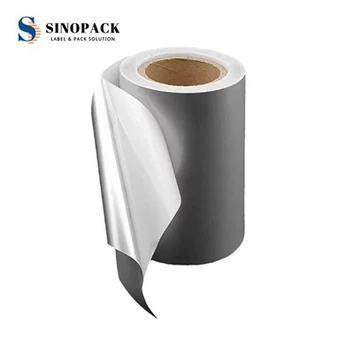


Print Of High Quality
Flexography can reliably produce high-quality images on a range of substrates without special coatings, thus reducing unit cost compared to other print options that may only support specific substrates. It makes flexography the superior print option since it has no limited substrate range.
High-Speed Production
Flexo printing is fast. In the past, the average speed for a Flexo press used for packaging printing was 150 to 300 feet per minute (FPM). Modern Flexo presses can print 600 FPM at an average speed - providing businesses with significant advantages when they invest in new equipment. Furthermore, rotary printing heads enable continuous patterns to be printed, which allows printers to complete complex designs within one print run.
Extremely Variable Process For Printing
Flexo printing is used in various industries, such as textile printing, packaging printing,and label printing. Due to their adaptability, presses can be tailored to fit different orders -providing print businesses with an edge over the competition by diversifying their operations and staying ahead.
Economical For Medium & High-Volume Production
Digital printing technology has made great strides but remains expensive and slow for large print runs. Flexo printing gives the best option for users requiring large printing works -particularly label industries - where costs can often be competitive with Digital, even on shorter runs.
One-Off Fees For Plates
While some critics may point out the difficulty and expense of making print plates for each flexographic print run, this can be seen in a different light. You can use your plate however often you like without incurring extra charges once made; the lower your print run, the cheaper per unit costs will be. Flexo plates have longevity if adequately maintained; repeat orders can be printed without overhead if taken care of properly. It has an advantage over digital printing due to the setup time and design work involved, and the lower volume of runs.
Inline Converting Flexibility
Modern flexo presses boast an inline conversion capacity that significantly reduces cycle time.Most print runs can be completed in one pass, and other inline processes like silk screening, hotfoil or cold foil stamping, variable data print (lamination), booklet inserting RFID insert, multilayer printing reverse side printing variable data printing primers coatings or adhesives can all be done on-site to further reduce overall finishing times.
Print On Different Materials
Flexographic printing machines can print on various substrates, such as paper, textiles, labels, boards, foil, plastic film, cellophane, and recycled materials.
Explore Different Types And Drying Systems
Because of the flexo printing merits, inks and oven systems became more complex and capable. Modern presses can use both solvent-based and water-based inks.Efficient drying methods—using IR, UV, or air heaters--improve web speed while decreasing energy consumption and saving on ink usage. Plus, due to the easy mixing capabilities of modern inks, printers now have access to an unlimited range of colors to create precise formulae that can apply across multiple substrates, such as company branding colors on labels, food packaging, or textiles.
Easy To Use & Maintain
One argument in favor of digital printing is its speedy setup time. Flexographic presses used to take a long time to set up. However, they have been revolutionized, making much faster setup speeds and job changes possible. Furthermore, flexo presses offer long life expectancies and excellent returns on investment, provided they're properly maintained.
How To Make Flexographic Printing Materials?
In the first method, a film negative is placed over a light-sensitive polymer plate and exposed to UV lamp. As it passes through, the polymer hardens, leaving behind what looks like chewed gum on the plate. After washing out with water or solvent in a tank, any unexposed polymers are washed away using recycled water without adding detergent.
The second method uses CTP plate-making machine to etch the pattern directly from computer onto the plate.
The molding procedure is the third method of plate making. Aluminum plates can be obtained from the negatives after exposure to the acid bath.With this relief metal plate, you can make glass, or plastic molds in the first step.
When selecting a printing machine, the type of ink it can use is essential. Some flexography printing machines can only apply to water-based inks, while you can use both but others can use UV curable and water-based inks
No matter the method, mounting is critical for producing quality prints in the register. Precision mounting flexo plates on tape with laser pointers on an automatic mounting machine ensures consistent accuracy when printing plates onto print sleeves or carrier sheets for corrugated operations.
Mounting plates needs accurate positioning and a strong bond with a particular mounting tape.
Register marks such as crosses or microdots can be used, but they should be chosen carefully to guarantee the accurate superimposition of each color's image.

Important Factors For Flexographic Printing Materials
Durometers
We've already discussed above how the durability of an image carrier can offer increased cost-effectiveness and efficiency. A durometer is a measurement of the hardness of polymers, elastomers, and rubbers. The hardness of a particular material is measured on a Shore A durometer scale of 0-100.
Surface Tension
Surface tension is defined as the tendency of liquids exposed to air to act as though they are confined by an elastic membrane under tension.
Ink Compatibility
The choice of ink also has a great impact on your flexographic process. You must ensure that your choice of ink is compatible with your entire print operation.
Substrate Type
A wide variety of substrates are available when flexo printing. The flexo process can transfer high-quality images to both porous and non-porous surfaces. With ITR sleeves, flexo is ideal for printing on challenging shapes and textures of substrates.
Fda / Other Compliance Considerations
You'll want to ensure that any combination of materials you choose for your ideal flexographic print operation comply with all relevant regulations. The International Organization for Standardization has numerous requirements that should be complied with during flexographic printing.
What are the components of Flexographic Printing Materials?
Rubber Plate:
The Rubber plate is the first component in the process. The plate is made of a light-sensitive material and has the design printed on it. When the plate and paper are exposed to light, the plate transfers the image onto the paper and the paper takes the ink and creates the image.
Plate Cylinder:
The plate cylinder is the part that moves the rubber plate into position for printing. It is critical that the plate cylinder be kept clean to ensure the ink transfers properly.
The Blanket:
The blanket is the next component in the process. The blanket is a piece of rubber that covers the rest of the press and holds the paper in place. The blanket is where the image is actually being printed. The plate transfers the image onto the blanket and the ink naturally stays on the blanket and gets transferred to the paper.
The Inking Unit:
The inking unit is where the ink is added to the rubber plate. Different inking units are used for UV inks and solvent inks. UV inks are used for many packaging applications, while solvent inks are used on the packaging that needs to be foil stamped.
The Paper:
The paper is where the image is actually created. The paper is the last component in the process. The paper is where the image is actually formed. The paper is placed over the blanket and held in place by the blanket. When the press is run, the blanket transfers the image onto the paper and the paper gets the ink and creates the image.
The Reel:
The reel is where the paper is fed through the printing process. It is critical that the reel be kept clean to ensure that the paper feeds properly through the entire printing process.
The Press:
The press is where the paper and item being printed pass under the rubber plate, pressing the design onto the item.
What Are The Characteristics Of Flexographic Printing Materials
(1) The ink is non-polluting and fast drying, which is conducive to environmental protection. Flexographic printing can use non-toxic, fast drying aqueous inks or UV inks. Flexo ink is the only non-toxic ink approved by the American Food and Drug Association for all printing inks. Therefore, flexographic printing, also known as "green printing", is widely used in food and pharmaceutical packaging.
(2) The printing materials are very extensive. Flexographic printing is almost unrestricted by the printing material. Smooth or rough surfaces, absorbent or non-absorbent materials, thick or thin substrates can be printed with flexographic printing, including paper, cardboard, corrugated paper, plastic film, aluminum foil, etc., much more than gravure and offset printing.
(3) Use a rubber or photosensitive resin plate to resist printing. The flexographic printing plate is made of polymer resin material, which is soft, flexible and elastic. Shore hardness is generally 25~60, the hardness is relatively low, and the transfer performance to printing ink is good, especially for alcohol solvent printing. The printing strength of the plate is strong, and it can reach 500,000 to millions of impressions (100,000 to 300,000 impressions of offset printing).
(4) The device has a simple structure and is easy to operate and maintain. Flexographic printing machines usually have multiple printing color groups, which can print 10 colors and 10 colors or more; use anilox roller to transfer ink, which belongs to short ink supply system, compared with offset printing machine and embossing machine. The complicated inking mechanism has been eliminated, the operation and maintenance of the printing press are greatly simplified, the ink control and reaction are more rapid, and the operation and process control of the equipment are relatively simple.
(5) The equipment has strong comprehensive processing capability. In addition to traditional prints, it is also possible to process prints such as folding cartons and labels. Almost all narrow-format flexo presses can be post-printed on the same machine. Such as reverse printing, glazing, laminating, bronzing, die cutting, slitting, punching, automatic waste discharge, winding, etc., even the number, bronzing or screen printing unit can be added to the printing unit.
(6) The efficiency of short-run printing is relatively high.
(7) The operation room can be quickly replaced and the printing preparation is simple.
(8) The printing speed is high. Printing speed is generally 1.5 to 2 times that of offset presses and gravure presses, can reach 2000 feet / min, and print fineness can reach 175 lines / inch or more.
(9) Flexographic printing uses light pressure printing. Flexographic printing has a pressure of only 1~3 kg/cm², which is a light-press printing, and a gravure printing pressure of 40 kg/cm² and a lithographic printing pressure of 4 ~ 10 kg/cm².
(10) The plate making cycle is short and the plate making cost is low. Compared with the four-page printing, the four-plate cylinder has a plate making cycle of 5 to 10 days, and the flexographic printing plate takes only a few hours. The plate making cost is only about one tenth of the gravure fee.
(11) Good stability and more suitable for standardized production. Compared with the Hu machine, the flexographic printing machine can display the color standard of the front and back batches, which is more suitable for standard production. For example, label products usually require a lot of spot colors, and the sensitivity to chromatic aberration is quite strong. If flexographic printing is used, as long as the appropriate anilox roller is selected, the chromatic aberration changes during the printing process is small, which can reduce the experience of the operator to a certain extent. Dependence.
(12) Flexographic printing presses make it easier to achieve combined printing. Nowadays, many exquisite labels, especially labels on daily chemical products, often use combination printing, usually several printing processes are combined. The unit type narrow-width flexographic printing machine can easily achieve this requirement, which can be “flexo printing”. + silk screen, or "flexo + offset", or "flexo + gravure", even with flexo printing, a combination of more than three printing processes.
(13) Good print quality. Using high-quality resin plate, ceramic anilox roller and other materials for flexographic printing, the printing precision has reached 200 lines / inch, the ink layer is full, the layer is rich, the color is bright, suitable for packaging printing requirements, its striking color effect is often It is impossible to achieve by offset printing.
Our Factory
Sinopack Industry is one global, professional corporate which focused on the development and manufacture of premium quality&sustainable self adhesive materials for the graphics arts printing industry, serving several segments such as Flexography, Lithography, Screen and Digital printing, with a large portfolio of label materials used in the identification of products for various sectors: food, beverages, personal care, logistical , pharmaceutical, clothing ,electronics, Auto,safety, cosmetics, and cleaning.
FAQ
We're professional flexographic printing materials manufacturers and suppliers in China. If you're going to buy high quality flexographic printing materials at low price, welcome to get free sample from our factory. Also, customized service is available.